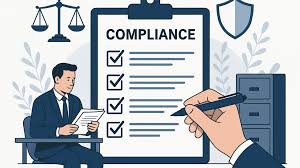

Business compliance encompasses several critical areas that every organization must understand and address. In today's regulatory environment, staying compliant is not just a legal requirement—it's a cornerstone of building trust with stakeholders and ensuring long-term business success.
What is Business Compliance?
Business compliance refers to the process of adhering to laws, regulations, guidelines, and specifications relevant to business operations. It involves implementing policies and procedures that ensure your company follows all applicable rules—whether they're set by government agencies, industry bodies, or internal governance frameworks.
"Compliance is not about checking boxes; it's about building a culture of integrity that permeates every aspect of your organization."
Key Areas of Compliance
Understanding the different domains of compliance is essential for creating a comprehensive compliance strategy. Here are the critical areas every business should focus on:
1. Regulatory Filings
Regulatory filings are mandatory documents that businesses must submit to government authorities. These include:
- Annual returns and financial statements
- Tax filings and GST returns
- Statutory audit reports
- Director and shareholder information updates
2. Statutory Obligations
Statutory obligations are legal requirements imposed by law. These vary based on your company type, industry, and jurisdiction. Common statutory obligations include:
- Maintaining proper books of accounts
- Conducting annual general meetings
- Filing changes in company structure
- Complying with labor and employment laws
3. Governance Requirements
Good corporate governance ensures transparency, accountability, and ethical business practices. Key governance requirements include:
- Board composition and meeting requirements
- Related party transaction disclosures
- Internal control systems
- Whistle-blower policies
Pro Tip
Create a compliance calendar that maps out all your filing deadlines throughout the year. This proactive approach helps avoid last-minute rushes and potential penalties for missed deadlines.
The Cost of Non-Compliance
Failing to meet compliance requirements can have serious consequences for your business:
- Financial penalties: Regulatory bodies can impose significant fines for non-compliance
- Reputational damage: Non-compliance can erode stakeholder trust and brand value
- Legal liability: Directors and officers may face personal liability
- Business disruption: Severe violations can lead to business closure
Building a Compliance Framework
Creating an effective compliance framework involves several key steps:
- Assessment: Identify all applicable laws and regulations
- Documentation: Develop policies and procedures
- Training: Educate employees on compliance requirements
- Monitoring: Regularly review and audit compliance activities
- Technology: Leverage compliance management tools for efficiency
How Comply Crafter Can Help
At Comply Crafter, we understand the complexities of regulatory compliance. Our platform provides automated tracking of compliance deadlines, real-time alerts, and comprehensive reporting to help you stay on top of all your obligations. With our solution, you can transform compliance from a burden into a strategic advantage.
Ready to simplify your compliance journey? Contact us today to learn how we can help your business achieve and maintain full compliance.